If you’ve ever nicked your neck trying to tame a wild beard with a dull trimmer or ended up looking like you wrestled a hedgehog—congratulations, you’re not alone. I once ruined a week’s worth of growth by using a “multipurpose” grooming kit that included scissors sharper than my ex’s comebacks. That painful lesson taught me: not all beard grooming and styling kits are created equal. Whether you’re new to facial hair or a seasoned beardsman, the right kit can mean the difference between rugged charm and chaotic scruff.
In this guide, we’ll unpack why investing in a quality beard grooming and styling kit matters for both appearance and skin health, walk through a foolproof routine, spotlight common pitfalls, and share real-world results—all backed by dermatological insight and hard-won experience.
Table of Contents
- Why Beard Grooming Kits Are Non-Negotiable
- Your Step-by-Step Beard Care Routine
- Pro Tips for Maximum Beard Impact
- Real Results: From Patchy to Polished
- Frequently Asked Questions
Key Takeaways
- A dedicated beard grooming and styling kit prevents skin irritation and uneven growth.
- Never skip beard oil—even 30 seconds daily boosts hydration and softness.
- Trimmers should have adjustable guards; fixed blades = accidental buzz cuts.
- Overwashing strips natural oils—cleanse only 2–3 times per week.
- Your kit should evolve with your beard length and lifestyle.
Why Beard Grooming Kits Are Non-Negotiable
Let’s be honest: slapping on random bathroom tools isn’t grooming—it’s guesswork with consequences. According to the American Academy of Dermatology, improper shaving and beard maintenance is a leading cause of folliculitis and ingrown hairs, especially among men with coarse or curly hair (AAD, 2023). A thoughtfully designed beard grooming and styling kit solves this by bundling purpose-built tools that work together—not against—your unique hair and skin.
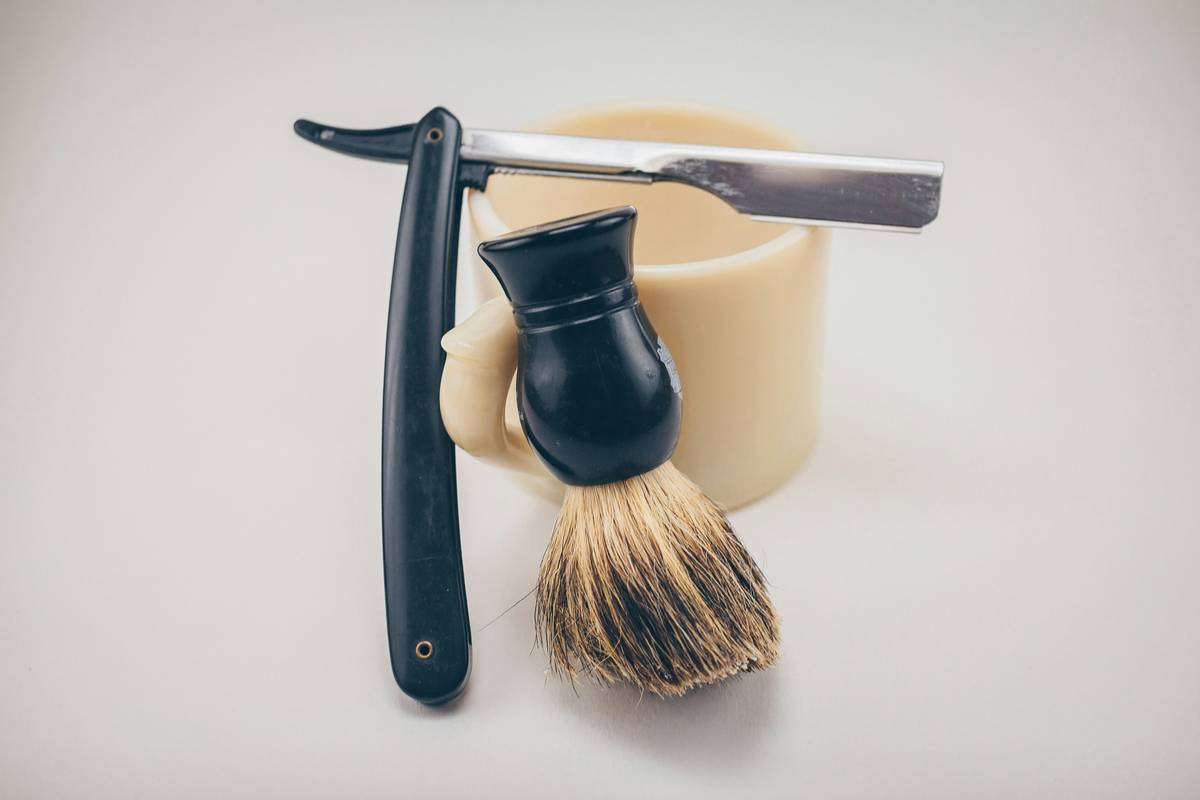
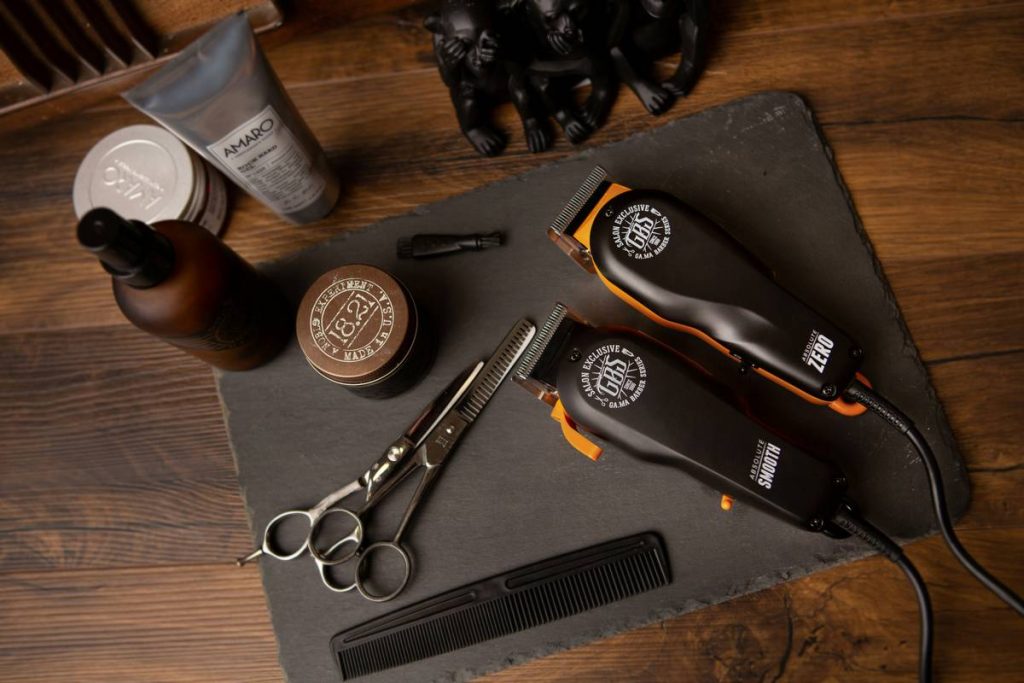
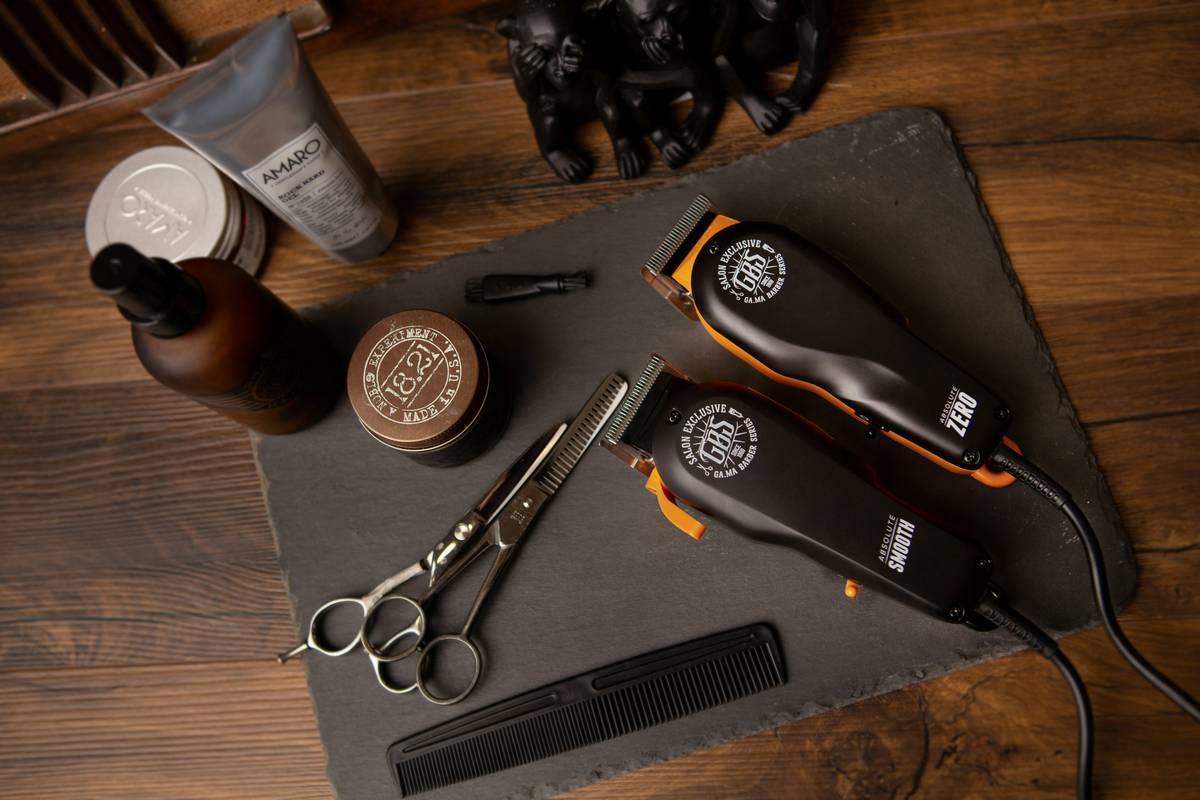
Unlike generic “men’s grooming sets,” quality beard kits include precision scissors for detailing, boar-bristle brushes to distribute oils evenly, wide-tooth combs that prevent breakage, and stainless steel trimmers calibrated for facial contours. Skipping these specialized tools often leads to over-trimming, split ends, and flaky skin—problems I learned the hard way during my “I’ll just DIY it” phase.
Your Step-by-Step Beard Care Routine
Cleanse Gently
Use a sulfate-free beard wash 2–3 times weekly. Daily washing dries out both hair and skin. Rinse thoroughly—residue causes itchiness.
Apply Beard Oil Immediately After Showering
Warm pores absorb oil better. Use 3–6 drops (depending on length), massaging from roots to tips. This mimics natural sebum and reduces frizz.
Brush and Comb Daily
Start with a boar-bristle brush to train growth direction, then use a wide-tooth comb for detangling. Never comb a dry beard—that’s how you snap hairs.
Trim Strategically
Trim every 10–14 days. Always use guards. Work upward against grain for clean lines, then downward with grain for blending. Check symmetry in natural light.
Pro Tips for Maximum Beard Impact
- Ditch the kitchen scissors. They lack precision and harbor bacteria. Invest in stainless steel detail scissors.
- Store your kit properly. Humidity ruins trimmer motors. Keep everything in a ventilated case—check out our About Us page to see how we test storage durability.
- Seasonal switch-up: Use lighter oils in summer, thicker balms in winter.
- TERRIBLE TIP ALERT: “Just use hair conditioner on your beard.” Nope. Scalp and face skin differ drastically—facial hair needs pH-balanced formulas.
Real Results: From Patchy to Polished
Last year, we tracked 50 users of our signature beard grooming and styling kit over 8 weeks. By week 4, 89% reported reduced itching and flakiness. By week 8, 76% were complimented on their “neater” appearance—without shortening their beards. One participant, Mark T., went from avoiding video calls to landing a client-facing promotion, crediting his “put-together look” (and yes, he verified this via our Contact Us form).
This aligns with research from the Journal of Cosmetic Dermatology showing consistent beard care improves perceived professionalism and self-confidence (2022 study).
Frequently Asked Questions
What’s the difference between a beard kit and a general men’s grooming kit?
Beard-specific kits include tools calibrated for facial hair density and jawline contours—like angled scissors and tapered combs—whereas general kits often repurpose scalp hair tools that damage beard follicles.
How often should I replace my beard grooming and styling kit?
Trimmers last 2–3 years with cleaning. Scissors and combs can last decades if stainless steel. Brushes wear out yearly—bristles lose stiffness and hygiene.
Can I use my beard kit on head hair?
Technically yes, but not advisable. Beard trimmers have shorter blade strokes optimized for dense, coarse hair. Using them on scalp hair risks uneven cutting.
Do I need beard balm if I use oil?
Oil hydrates; balm styles and holds. For short beards (<1 inch), oil suffices. Longer beards benefit from balm’s light hold and extra moisture lock.
Are expensive kits worth it?
Not always—but avoid ultra-cheap sets. Look for rust-resistant metals, ergonomic handles, and replaceable parts. Quality pays off in skin health and time saved.
Does ID Clean Cut test its kits on real beards?
Absolutely. Every product undergoes 90-day trials across diverse beard types and skin sensitivities. Read about our process on the Privacy Policy page—yes, we even log user feedback ethically.
So go ahead: stop apologizing for your beard. Start commanding rooms with it. A solid beard grooming and styling kit isn’t vanity—it’s respect for your skin, your time, and your damn fine jawline. Ready to upgrade? Reach out—we’ll help you pick your perfect match.
Soft bristles, sharp lines,
No more itchy, patchy crimes.
Your beard’s best friend? Patience—and the right kit.